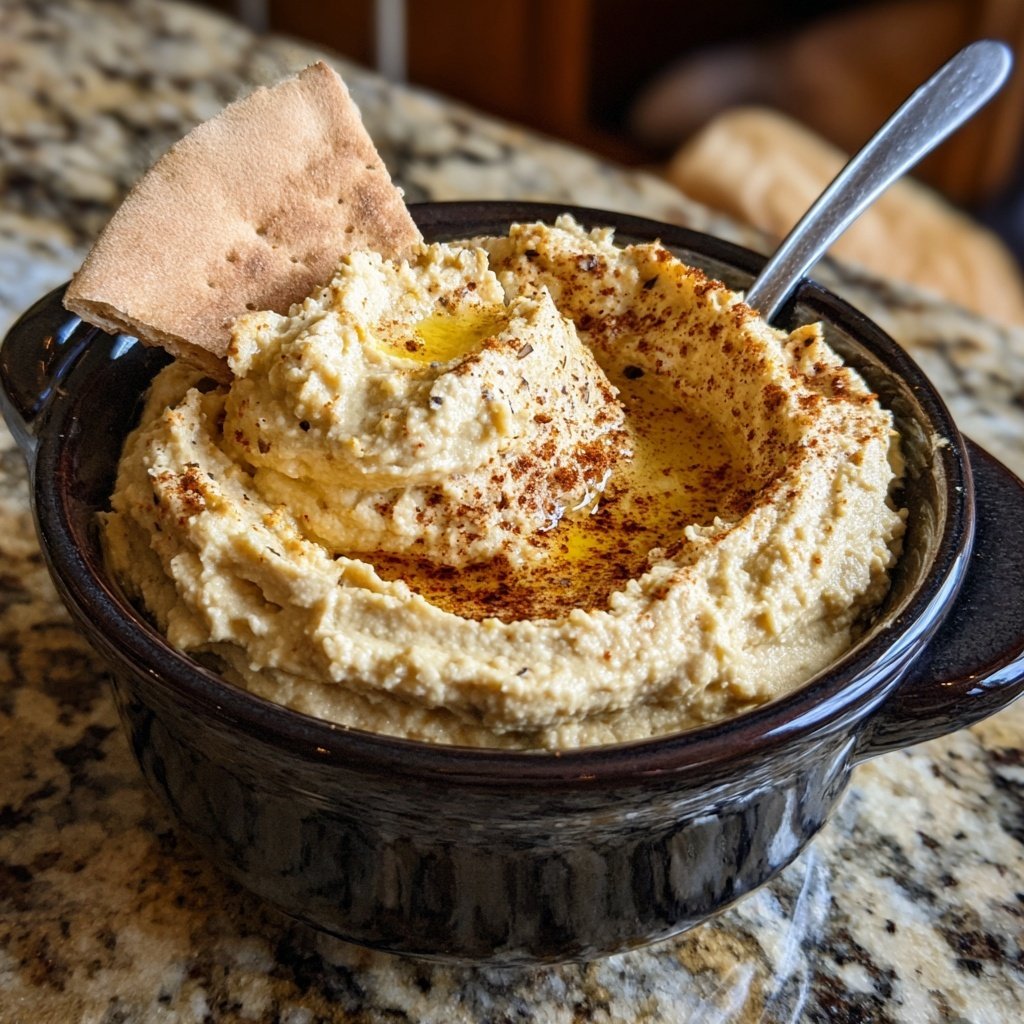
This hummus recipe is a classic Middle Eastern dip that will impress your friends and family. It is creamy, flavorful, and perfect for dipping pita bread or fresh vegetables.
Why You'll Love This Hummus
- Creamy and smooth texture that’s easy on the palate
- Rich, nutty flavor that elevates any snack or meal
- Quick and easy to prepare, perfect for last-minute gatherings
A Brief History of Hummus
Hummus is a beloved Middle Eastern dip that has captured the hearts and palates of food lovers worldwide. Its origins trace back thousands of years, with some claiming it hails from ancient Lebanon or perhaps even ancient Egypt. Traditionally made with chickpeas, tahini, olive oil, and spices, hummus has evolved into a versatile dish that can be enjoyed in countless ways.
In many cultures, hummus is more than just a dip; it symbolizes hospitality and togetherness. Whether served at family gatherings or friendly get-togethers, sharing a bowl of hummus encourages connection and conversation. This dish has become a staple in Mediterranean cuisine, praised for its nutritional benefits and delightful flavor.
Nutritional Benefits of Hummus
Hummus is not only delicious but also packed with essential nutrients. Chickpeas, the primary ingredient, are an excellent source of plant-based protein, making hummus a fantastic option for vegetarians and vegans alike. Additionally, chickpeas are rich in fiber, which promotes digestive health and helps maintain a feeling of fullness.
The tahini used in hummus contributes healthy fats, particularly unsaturated fats, which are beneficial for heart health. Olive oil, another key ingredient, is known for its anti-inflammatory properties. With a combination of proteins, healthy fats, and vitamins, hummus serves as a nutritious addition to any diet.
Creative Ways to Enjoy Hummus
While hummus is often enjoyed as a dip with pita bread or fresh vegetables, its versatility allows for many creative uses. Spread it on sandwiches or wraps for an extra layer of flavor and creaminess. Use it as a base for salad dressings or as a topping for grilled meats and fish to elevate your meals.
For a fun twist, experiment with different flavor variations of hummus by adding roasted red peppers, sun-dried tomatoes, or even spices like harissa. Each variation offers a unique taste experience, making hummus a wonderful and adaptable dish for any occasion.
Ingredients
Gather the following ingredients to make the best hummus:
Hummus Ingredients
- 1 can (15 oz) chickpeas, drained and rinsed
- 1/4 cup tahini
- 2 tablespoons olive oil
- 2 tablespoons lemon juice
- 1 garlic clove, minced
- 1/2 teaspoon ground cumin
- Salt to taste
- Water as needed
These ingredients will create a delicious and creamy hummus.
Instructions
Follow these simple steps to make your hummus:
Blend Ingredients
In a food processor, combine the chickpeas, tahini, olive oil, lemon juice, garlic, cumin, and salt. Process until smooth.
Adjust Consistency
If the hummus is too thick, add water a tablespoon at a time until you reach your desired consistency.
Taste and Adjust
Taste the hummus and adjust seasoning with more salt or lemon juice as needed.
Serve
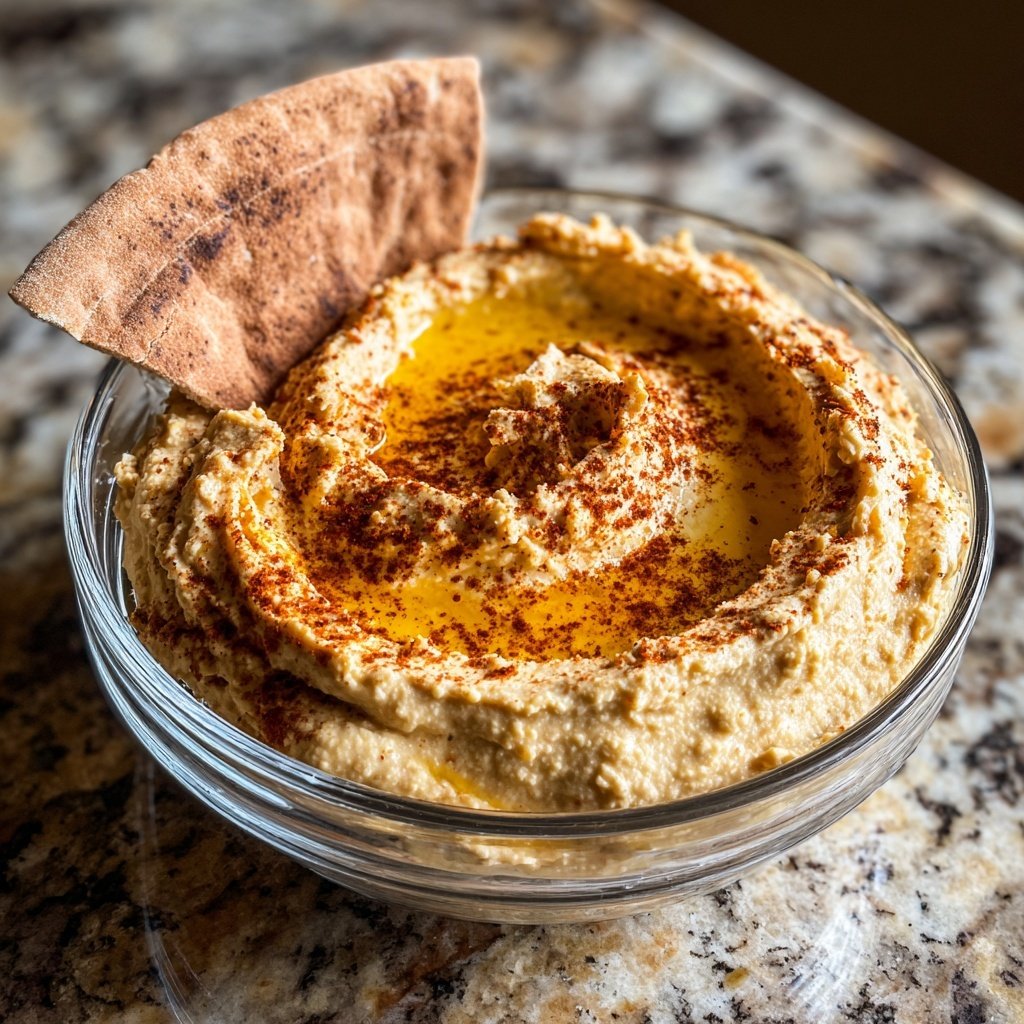
Transfer the hummus to a serving bowl, drizzle with olive oil, and enjoy with pita bread or veggies!
Enjoy your homemade hummus with your favorite dippers!
Pro Tips
- For extra flavor, try adding roasted red peppers or herbs like parsley to the mix before blending.
Storage Tips for Homemade Hummus
Storing homemade hummus is simple and allows you to enjoy its fresh taste for days. After preparing your hummus, transfer it to an airtight container and refrigerate. It can usually be stored for up to a week, making it an excellent option for meal prep.
To maintain the best texture, consider adding a thin layer of olive oil on top before sealing the container. This will help prevent the surface from drying out. If the hummus thickens in the fridge, simply stir in a little water or olive oil before serving to restore its creamy consistency.
Pairing Suggestions
Hummus can be paired with a variety of foods to create delightful combinations. Traditional accompaniments include warm pita bread and an assortment of fresh vegetables such as carrots, cucumbers, and bell peppers. These pairings not only enhance the taste but also add a colorful and nutritious aspect to your snack or meal.
For a heartier option, consider serving hummus with grilled meats or falafel. It also works wonderfully as a topping for salads, adding creaminess and depth of flavor. Don't hesitate to get creative—hummus can elevate nearly any dish!
Questions About Recipes
→ Can I make hummus without tahini?
Yes, you can substitute tahini with yogurt or simply omit it, but it will change the flavor.
→ How long can I store homemade hummus?
You can store it in an airtight container in the refrigerator for up to a week.
→ Can I freeze hummus?
Yes, hummus can be frozen for up to three months. Just thaw it in the fridge before serving.
→ What can I serve with hummus?
Hummus pairs well with pita bread, fresh vegetables, crackers, or can be used as a spread in sandwiches.
Best Hummus Recipe
Created by: The Whiskwonderfood Team
Recipe Type: Cross-Cultural Cooking Recipes
Skill Level: Easy
Final Quantity: 4 servings
What You'll Need
Hummus Ingredients
- 1 can (15 oz) chickpeas, drained and rinsed
- 1/4 cup tahini
- 2 tablespoons olive oil
- 2 tablespoons lemon juice
- 1 garlic clove, minced
- 1/2 teaspoon ground cumin
- Salt to taste
- Water as needed
How-To Steps
In a food processor, combine the chickpeas, tahini, olive oil, lemon juice, garlic, cumin, and salt. Process until smooth.
If the hummus is too thick, add water a tablespoon at a time until you reach your desired consistency.
Taste the hummus and adjust seasoning with more salt or lemon juice as needed.
Transfer the hummus to a serving bowl, drizzle with olive oil, and enjoy with pita bread or veggies!
Extra Tips
- For extra flavor, try adding roasted red peppers or herbs like parsley to the mix before blending.
Nutritional Breakdown (Per Serving)
- Calories: 200 kcal
- Total Fat: 10g
- Saturated Fat: 1g
- Cholesterol: 0mg
- Sodium: 250mg
- Total Carbohydrates: 24g
- Dietary Fiber: 6g
- Sugars: 2g
- Protein: 6g